
Currently Empty: $0.00

SAP BASIS ON HANA
Master SAP HANA Administration, Architecture, Modeling, Security, Data Provisioning, Backup & Recovery, and Performance Optimization with practical, industry-focused training. Learn how SAP HANA's in-memory database works, manage HANA landscapes, configure security, perform data provisioning using SLT, DXC, and SAP BODS, build information models, monitor and troubleshoot systems, and execute SAP HANA migrations using DMO. This course is ideal for SAP Basis professionals, database administrators, SAP consultants, developers, and IT professionals looking to build expertise in SAP HANA.
Why Learn With Us
90+
Corporate Served
18+
Countries & Counting
250000+
Professionals Trained
50+
Batches every month
Accredited By




This course includes:
-
Lifetime access Learn at your own pace
-
Certificate of completion Shareable on LinkedIn
-
100% online Start instantly from anywhere
Our Trusted Partners
Learn SAP BASIS ON HANA with Industry-Driven Training
Our SAP BASIS ON HANA program is developed with insights from industry experts to match current market demands. Build practical skills through hands-on projects, real-world case studies, and guidance from experienced professionals to prepare for today's careers.
Certificates of Excellence
Backed by globally recognized accreditations.
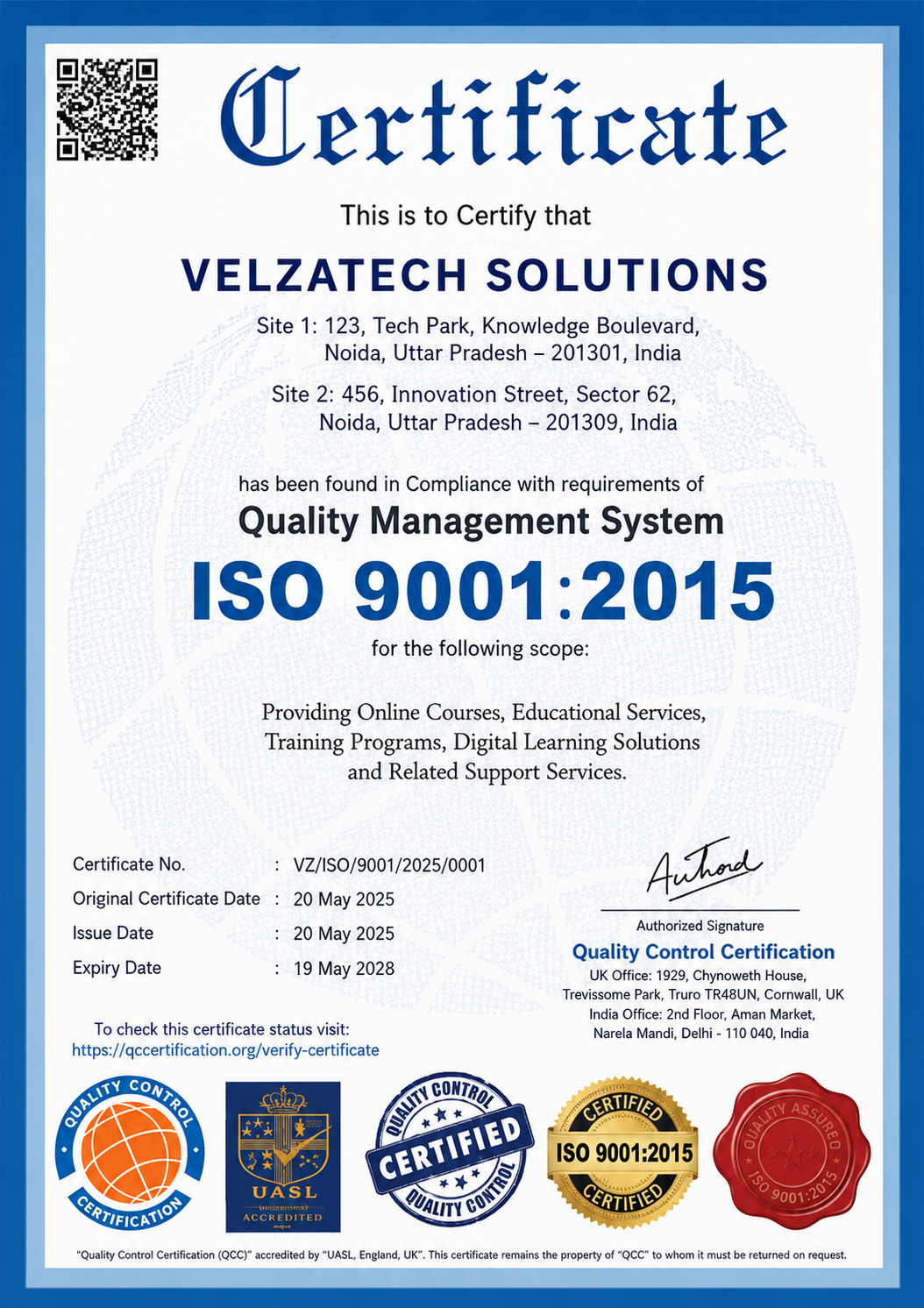
ISO 9001:2015
ISO 9001:2015
ISO 9001:2015
ISO 9001:2015
Download Brochure
Fill in your details to download the course brochure.
Course Overview
The SAP HANA Administration & Modeling course is a comprehensive training program designed to provide learners with strong practical knowledge of SAP HANA architecture, administration, database management, data modeling, security, data provisioning, and system migration. SAP HANA’s in-memory computing architecture enables organizations to process large volumes of data at high speed, making it a critical technology for modern SAP S/4HANA, analytics, and enterprise data platforms.
Throughout the course, you will explore the SAP HANA architecture, In-Memory Computing Engine (IMCE), row and column stores, database engine, memory management, data persistence, deployment options, and HANA landscape components. You’ll also learn how to operate HANA systems, perform installation and configuration activities, manage users and privileges, configure high availability, and handle backup and recovery operations.
The training provides hands-on experience with SAP HANA Studio, DBA Cockpit, SQL Console, SQLScript, information modeling, Attribute Views, Analytical Views, Calculation Views, joins, hierarchies, calculated measures, restricted measures, currency conversion, and performance optimization. You will also learn different data provisioning techniques using SAP SLT, DXC, SAP BODS, ODP, and flat-file loading.
Advanced administration topics include monitoring and troubleshooting, trace configuration, diagnosis files, software lifecycle management, patching, transport management, DEV-QAS-PRD landscapes, Delivery Units, system security, database recovery, point-in-time recovery, and storage snapshots. The course also introduces SAP HANA migration using Database Migration Option (DMO), covering preparation, configuration, execution, and monitoring.
By the end of this training, you will have the practical knowledge required to administer SAP HANA environments, develop information models, provision enterprise data, secure and monitor HANA systems, perform backup and recovery operations, optimize database performance, and support SAP HANA migration and implementation projects.
Curriculum
- 15 Sections
- 0 Lessons
- 12 Weeks
Expand all sectionsCollapse all sections
- Module 1: SAP HANA Architecture – OverviewThis module introduces the fundamentals of SAP HANA and its in-memory database architecture. You will learn about the In-Memory Computing Engine (IMCE), row and column stores, SAP HANA landscape components, HANA architecture, database engines, memory management, data persistence, deployment options, and real-world HANA scenarios and case studies.0
- Module 2: SAP HANA Architecture & ScenariosExplore SAP HANA's technical architecture in greater depth, including row-store and column-store concepts, database engines, data modeling, reporting architecture, software packaging, memory management, persistence, HANA roadmap, and different deployment scenarios.0
- Module 3: Introduction to SAP HANAUnderstand SAP's in-memory computing strategy and how HANA transforms traditional database processing and analytics. This module also introduces the differences between SAP HANA and SAP BW and explains where HANA fits within the modern SAP data landscape.0
- Module 4: Operating SAP HANALearn essential HANA administration activities, including starting and stopping HANA systems, backup and recovery, content archiving, and high-availability configuration. This module provides the foundation for day-to-day HANA system operations.0
- Module 5: SAP HANA Tools & AdministrationGain practical knowledge of the tools used to administer SAP HANA environments. You will work with SAP HANA Studio, HANA Client, JDBC connections, DBA Cockpit, and administration components. The module also covers pre-installation and post-installation activities and basic system configuration.0
- Module 6: SAP HANA SecurityLearn how to secure SAP HANA systems by managing users, roles, privileges, analytic privileges, and end-to-end security. You will also explore user mapping between SAP HANA and SAP BusinessObjects environments and learn best practices for enterprise database security.0
- Module 7: Miscellaneous Administration TopicsThis module covers important administration and recovery scenarios, including HANA uninstallation, SID changes, rollback operations, system-user password recovery, and Single Sign-On (SSO) configuration.0
- Module 8: Monitoring & Troubleshooting SAP HANALearn how to monitor HANA system health and troubleshoot performance and operational issues. This module covers SAP HANA Studio monitoring, DBA Cockpit, traces, diagnosis information, diagnosis files, SQL Console, query analysis, and remote support procedures.0
- Module 9: SAP HANA ModelingThis module focuses on information modeling within SAP HANA. You will learn to create Attribute Views, Analytical Views, and Calculation Views, work with multiple data sources, create joins and hierarchies, configure restricted and calculated measures, implement currency conversion, use variables, and apply modeling best practices for optimized performance.0
- Module 10: Advanced HANA Modeling & SQLScript0
- Module 11: Data Provisioning & Data LoadingLearn how to bring enterprise data into SAP HANA using different provisioning technologies. This module covers SAP Landscape Transformation (SLT), SAP DXC, SAP BODS, ODP-enabled data loading, ECC and HANA data stores, flat-file uploads, and configuration of SAP HANA data sources.0
- Module 12: Backup & RecoveryDevelop the skills required to protect and recover SAP HANA databases. You will learn data-area and log-area backups, configuration backups, database copies, recovery procedures, unexpected-error recovery, storage snapshots, and point-in-time recovery strategies.0
- Module 13: Advanced Monitoring & TroubleshootingThis module provides deeper troubleshooting knowledge for SAP HANA environments. You will learn how to configure traces, analyze diagnosis information and files, use SQL Console for query analysis, and apply remote support techniques to identify and resolve system issues.0
- Module 14: Software Lifecycle Management & HANA LandscapingLearn how to manage the SAP HANA software lifecycle and enterprise landscape. Topics include HANA updates, patch installation, plug-ins, transport roots, DEV-QAS-PRD environments, Delivery Units, and transporting HANA development content between systems.0
- Module 15: Migration to SAP HANA Using DMOThe final module focuses on migration to SAP HANA using Database Migration Option (DMO). You will learn migration fundamentals, DMO architecture and procedures, preparation activities, configuration, execution, monitoring, and best practices for successful SAP HANA migration projects.0
Instructor

Feedback
Placement Success
Our Alumni Work At
5000+ professionals placed in top companies across 18+ countries.
Testimonials
What Our Learners Say

12+
Years of Excellence
👋 Who We Are
Empowering Professionals with Future‑Ready Skills
We are a global training provider with a passion for transforming careers. From corporate giants to fresh graduates, our programs are designed to deliver real‑world expertise and recognised certifications that open doors.
- Industry‑vetted curriculum updated quarterly
- Live projects & hands‑on labs
- 98% learner satisfaction rate
- Trusted by Fortune 500 companies
250k+
Learners
18+
Countries
4.9/5
Avg Rating
Frequently Asked Questions
Once enrolled, you get instant access to our learning platform where all materials, videos, and assignments are available 24/7. You can start learning immediately from any device.
Yes! Upon successful completion, you will receive a globally recognised certificate that you can share on LinkedIn and with employers.
We provide dedicated mentor support through live Q&A sessions and a community forum. Our instructors typically respond within a few hours.
Absolutely. We offer a 7‑day no‑questions‑asked refund policy. If the course does not meet your expectations, you can request a full refund.