Currently Empty: $0.00

SAP SCM
Master SAP Supply Chain Management (SAP SCM) and SAP Advanced Planning and Optimization (APO) with practical, industry-focused training designed to build expertise in demand planning, supply planning, procurement, manufacturing, warehouse management, and supply chain optimization. Learn forecasting, Material Requirements Planning (MRP), Demand Planning, Supply Network Planning (SNP), Production Execution, ERP-SCM integration, planning books, interactive planning, heuristics, Capable-to-Match (CTM), product interchangeability, and supply chain optimization through hands-on exercises and real-world business scenarios.
Why Learn With Us
90+
Corporate Served
18+
Countries & Counting
250000+
Professionals Trained
50+
Batches every month
Accredited By




This course includes:
-
Lifetime access Learn at your own pace
-
Certificate of completion Shareable on LinkedIn
-
100% online Start instantly from anywhere
Our Trusted Partners
Learn SAP SCM with Industry-Driven Training
Our SAP SCM program is developed with insights from industry experts to match current market demands. Build practical skills through hands-on projects, real-world case studies, and guidance from experienced professionals to prepare for today's careers.
Certificates of Excellence
Backed by globally recognized accreditations.
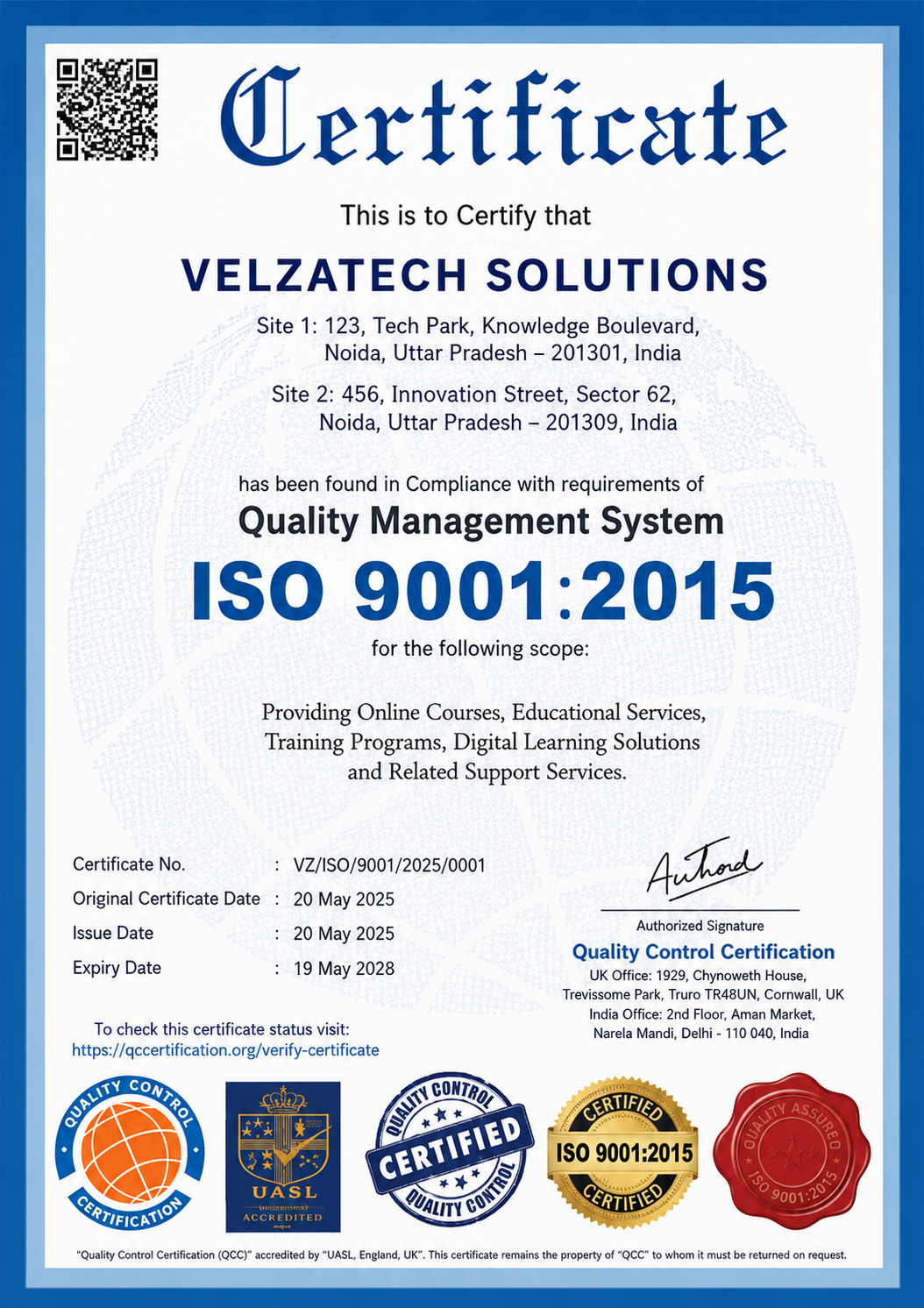
ISO 9001:2015
ISO 9001:2015
ISO 9001:2015
ISO 9001:2015
Download Brochure
Fill in your details to download the course brochure.
Course Overview
The SAP SCM / APO course is a comprehensive training program designed to help learners understand and manage end-to-end supply chain planning and execution using SAP solutions. The course covers the complete flow from demand forecasting and sales to procurement, manufacturing, inventory management, warehouse processing, and supply network planning.
Throughout the training, you will gain practical knowledge of Demand Planning, Forecasting, Sales and Procurement Processes, Material Requirements Planning, Production Execution, Supply Network Planning, Master Data, Planning Books, Interactive Planning, SNP Heuristics, Capable-to-Match (CTM), Deployment, Transportation Load Building, and Supply Chain Optimization. You will also learn how SAP SCM integrates with ERP systems for seamless master data and transactional data exchange.
The course provides hands-on exposure to important supply chain processes such as creating sales orders, deliveries, material reservations, purchase requisitions, purchase orders, production orders, goods movements, demand management, MRP runs, and production execution. Advanced topics such as forecasting models, planning areas, macros, alerts, quota arrangements, capacity planning, supplier constraints, and product interchangeability are also covered.
Designed for aspiring SAP SCM consultants, supply chain professionals, manufacturing specialists, procurement professionals, and SAP users, this training combines theoretical concepts with practical configuration, real-time scenarios, and implementation-oriented exercises. By the end of the course, learners will have the knowledge required to support SAP SCM/APO implementations and contribute to efficient, data-driven supply chain planning and optimization.
Curriculum
- 23 Sections
- 0 Lessons
- 12 Weeks
Expand all sectionsCollapse all sections
- Module 1: Forecast, Sales, Procurement, Manufacturing & Warehouse ProcessingThis module introduces the complete supply chain process, covering demand management, sales, procurement, manufacturing, and warehouse operations. You will understand how these processes interact with one another to create an integrated supply chain workflow.0
- Module 2: ForecastingLearn the fundamentals of demand forecasting and how forecasts are used to support supply chain planning. This module covers material forecasts, customer-specific forecasts, and independent requirements for anticipating future demand.0
- Module 3: Order-to-Ship ProcessThis module provides practical knowledge of the complete order-to-ship lifecycle. You will learn how to create sales orders, analyze their impact on demand management, create deliveries, pick and ship materials, and evaluate the resulting effects on inventory and demand.0
- Module 4: SCM Master DataMaster the essential data required for SAP SCM processes. You will learn about customer and vendor master records, purchasing information records, sources of supply, Bills of Material (BOM), routing, work centers, and warehouse bins.0
- Module 5: Demand ManagementLearn how different demand elements influence supply chain planning. This module covers forecasts, independent requirements, sales orders, material reservations, stock transport orders, production orders, safety stock, lot sizing, and Material Requirements Planning (MRP).0
- Module 6: Procurement & Material ReceiptThis module focuses on procurement activities driven by supply chain demand. You will learn how to manually create purchase requisitions, generate requisitions through MRP, convert requisitions into purchase orders, receive materials, and place materials into appropriate warehouse storage bins.0
- Module 7: Demand Planning & My SCMExplore different sales and demand scenarios within SAP SCM, including rush orders, cash sales, and free-of-charge deliveries. You will understand how different order types affect demand and supply planning.0
- Module 8: Demand ManagementLearn how to manage Planned Independent Requirements (PIRs) and understand PIR consumption within the demand planning process. This module helps learners understand how planned demand is consumed by actual sales and other requirements.0
- Module 9: Material Requirements PlanningThis module covers MRP execution and planning results. You will learn planned order creation, purchase requisition generation, planned order conversion, and how MRP results are processed to meet supply requirements.0
- Module 10: Production ExecutionGain practical knowledge of the complete production execution process. You will learn production order creation and release, goods issue, order confirmation, goods receipt, and production order closure.0
- Module 11: ERP-SCM IntegrationUnderstand how SAP ERP and SAP SCM systems exchange master and transactional data. This module covers integration model generation and activation, monitoring, error handling, incremental master data transfers, and integration model management.0
- Module 12: Integrated SCM Master DataLearn how important ERP master data is represented and managed within SAP SCM. Topics include locations, material masters, resources, Production Process Models (PPM), Production Data Structures (PDS), purchasing information records, transportation lanes, and master recipes.0
- Module 13: Modeling in ERP SCMThis module introduces modeling concepts within SAP SCM. You will learn about models, versions, and supply chain modeling using the Supply Chain Engineer to represent and manage complex planning environments.0
- Module 14: Integrating Transactional DataLearn how to configure and manage transactional data transfers between ERP and SAP SCM. The module covers transactional data transfer setup along with integration model generation and activation.0
- Module 15: Demand Planning ConfigurationThis module focuses on configuring the SAP SCM Demand Planning environment. You will learn about Planning Object Structures, Characteristic Value Combinations, Planning Areas, Product Interchangeability, Proportional Factors, and Version Management.0
- Module 16: Planning Books & Data ViewsLearn how Planning Books and Data Views are created and used for demand planning and analysis. You will also explore macros that help automate calculations and repetitive planning activities.0
- Module 17: Interactive PlanningThis module introduces the Interactive Planning Table and its key capabilities. You will learn how to navigate planning views, analyze planning data, and use additional interactive planning functions to support supply chain decisions.0
- Module 18: Forecasting & Advanced Demand PlanningExplore advanced forecasting techniques including Univariate Forecasting, Composite Forecasting, Consensus-Based Forecasting, Forecast Alert Profiles, Lifecycle Planning, Promotion Planning, and InfoCubes to improve demand forecasting accuracy.0
- Module 19: Master & Transaction Data in SNPLearn the master and transactional data required for Supply Network Planning (SNP). Topics include the APO Product Master, Resource Master, Production Process Models, Quota Arrangements, and transactional data used for supply network planning.0
- Module 20: SNP ConfigurationThis module covers the configuration and operation of Supply Network Planning. You will learn Planning Areas, Planning Books, Macros, Alerts, Planning Tables, Quota Arrangements, and transactional data management within SNP.0
- Module 21: Supply Network Planning HeuristicLearn how the SNP Heuristic supports supply planning and demand fulfillment. This module covers heuristic runs, capacity checking and leveling, supplier constraints, heuristic scheduling, and hierarchical planning.0
- Module 22: SNP Run Using Capable-to-Match (CTM)This module introduces Capable-to-Match (CTM) planning in SAP SCM. You will learn the CTM process and how alternative Production Process Models (PPMs) can be used to create feasible supply plans based on available resources and constraints.0
- Module 23: Interchangeability, Deployment & OptimizationThe final module covers advanced supply chain optimization concepts. You will learn product interchangeability, safety stock planning, deployment strategies, Transportation Load Builder (TLB), and optimization techniques used to balance supply, demand, inventory, transportation, and capacity across the supply network.0
Instructor

Feedback
Placement Success
Our Alumni Work At
5000+ professionals placed in top companies across 18+ countries.
Testimonials
What Our Learners Say

12+
Years of Excellence
👋 Who We Are
Empowering Professionals with Future‑Ready Skills
We are a global training provider with a passion for transforming careers. From corporate giants to fresh graduates, our programs are designed to deliver real‑world expertise and recognised certifications that open doors.
- Industry‑vetted curriculum updated quarterly
- Live projects & hands‑on labs
- 98% learner satisfaction rate
- Trusted by Fortune 500 companies
250k+
Learners
18+
Countries
4.9/5
Avg Rating
Frequently Asked Questions
Once enrolled, you get instant access to our learning platform where all materials, videos, and assignments are available 24/7. You can start learning immediately from any device.
Yes! Upon successful completion, you will receive a globally recognised certificate that you can share on LinkedIn and with employers.
We provide dedicated mentor support through live Q&A sessions and a community forum. Our instructors typically respond within a few hours.
Absolutely. We offer a 7‑day no‑questions‑asked refund policy. If the course does not meet your expectations, you can request a full refund.